Glass Mouse Pad: Control vs Speed – Which One Fits Your Aim Style?
Glass Mouse Pad: Control vs Speed – Which One Fits Your Aim Style?
Quick answer: Choose a control glass pad if you play tactical FPS games like CS2 or Valorant and rely on micro-adjustments and clean, precise stops. Choose speed if your aim is tracking-heavy, as in Apex Legends or Overwatch. Around two-thirds of glass pad buyers at X-Raypad end up choosing control — most players overestimate how much speed they actually need.
Control vs Speed on Glass: What the Words Actually Mean
Every glass mouse pad is fast compared to cloth. A glass surface removes almost all friction inconsistency, so the real question is not “fast or slow” — it is how the pad behaves at the end of a flick, when you need to stop on target.
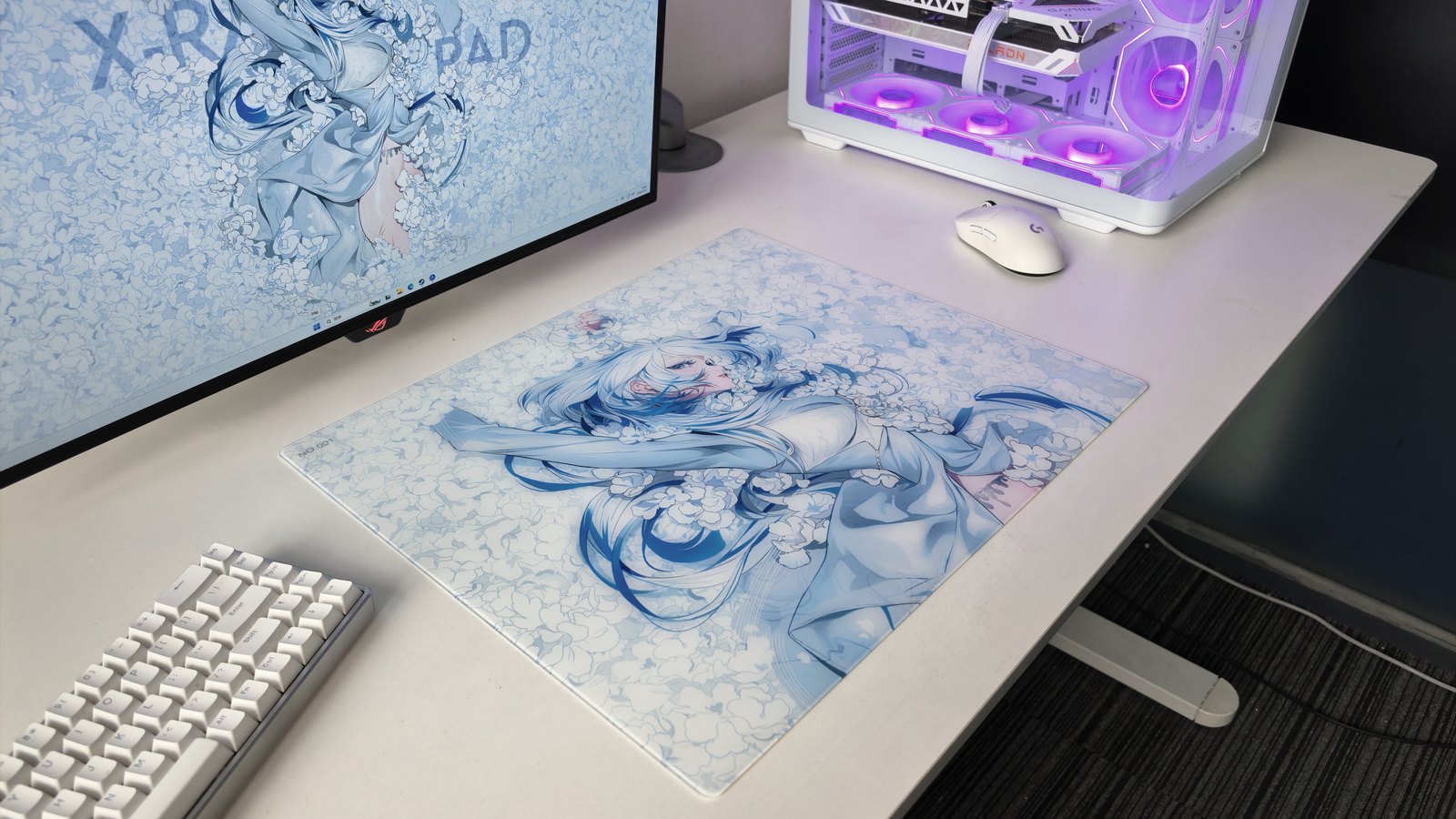
The NOD Glass Mousepad Series answers that question with two editions built on the same platform:
-
NOD CR (Control Edition) is coating-free. Its texture comes directly from micro-etched glass — there is no coating to wear off, so the feel never fades. Initial friction is present but never sticky: strong stopping power for flicks, smooth micro-adjustments, and a wipe with a damp cloth keeps it silky for years.
-
NOD SP (Speed Edition) adds an oleophobic nano hard coating over the same precision micro-etched base. Static and dynamic friction drop dramatically — a light finger push sets the mouse gliding instantly, with no “first-push” sticky feel. Crucially, the coating thickness is precisely controlled, so SP stays fast yet controllable: you still get real stopping power for flicks.
Both editions are waterproof, sweat-proof and oil-resistant. Both share the same hardware: 2mm ultra-thin tempered glass, CNC 45° bevel, and a silicone base — validated by 30+ testers over 21,600+ minutes of play.
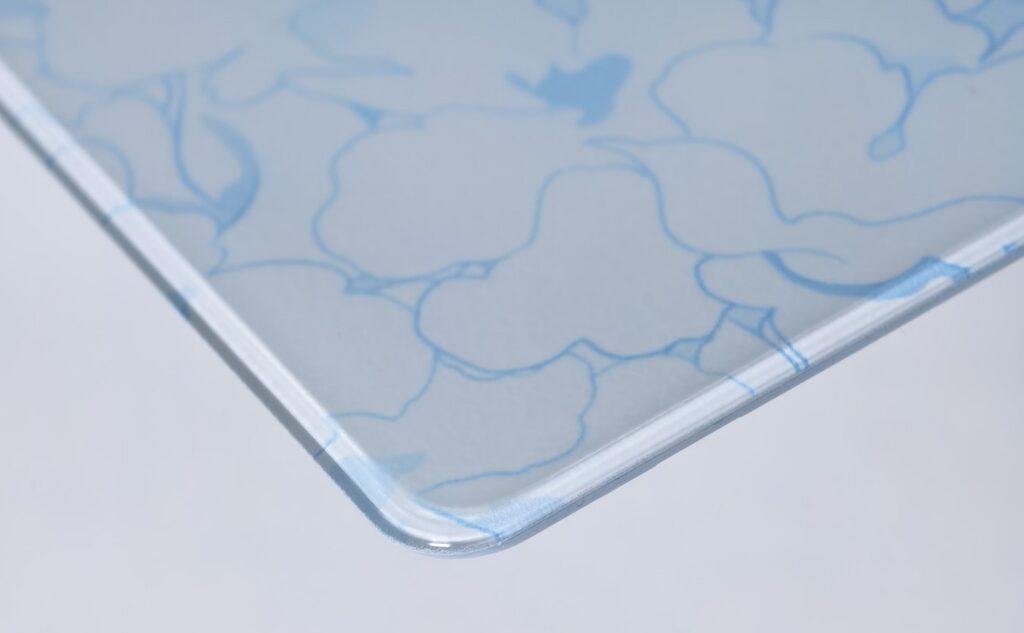
“It does a lot of things right… a solid middle ground between speed and control. At just 2mm it sits almost flush with the desk — no annoying edge digging into your wrist.”
— Kess, VALORANT pro (ex-100 Thieves)
CR vs SP at a Glance
|
|
NOD CR – Control |
NOD SP – Speed |
|---|---|---|
|
Surface |
Micro-etched glass, coating-free |
Micro-etched glass + nano hard coating |
|
Glide feel |
Present initial friction, never sticky |
Near-zero initial resistance, instant glide |
|
Stopping power |
High – strong, defined stops |
Fast yet controllable – enough for flicks |
|
Feel over time |
Never fades – no coating to wear off |
Precisely controlled coating, stays non-sticky |
|
Best aim style |
Flicks + micro-adjustments |
Tracking + wide swipes |
|
Typical games |
CS2, Valorant, tactical FPS |
Apex Legends, Overwatch, tracking-heavy titles |
|
Who buys it |
~60–65% of NOD buyers |
Players who know they want max glide |
Choose CR If You Play Tactical FPS (or You’re Coming from Cloth)
In CS2 and Valorant, fights are won in the first 100 milliseconds after your crosshair stops moving. You flick, you stop, you click. If your pad keeps gliding through the stop, you over-flick — and you compensate by tensing your grip, which costs you smoothness everywhere else.
CR was built for exactly this player — and specifically as the best first glass pad for cloth users. You get everything glass is famous for (no humidity swing, no worn-out slow spots, effortless cleaning) without losing the confident stopping power your cloth pad taught you. The speed of glass, with the confidence of cloth control.
Choose SP If You Track for a Living
In Apex Legends and Overwatch, your crosshair follows targets that strafe, jump and slide. What matters is a glide with zero surprises: no texture change mid-swipe, no resistance spike, just one uniform motion.

That is what the nano hard coating delivers — near-zero initial resistance means the mouse moves the instant you intend it to. And unlike a pure “ice rink” pad, SP’s precisely controlled coating keeps enough stopping power on tap for flicks. Pair it with Jade skates and the glide feels nearly like a resin pad — except glass outlasts resin by far.
Not Sure? Start with Control
Here is the pattern we see in orders: roughly 60–65% of NOD buyers choose CR. The reason is simple — control is the more forgiving surface. Speed amplifies good aim, but it also amplifies shaky aim. Control lets your mechanics breathe.
You can always move from CR to SP later. Going the other way, after building habits on a near-frictionless pad, is much harder.
What a Pro Says
We’ve been quoting our own test data — so here’s an outside voice. Kess, a Korean VALORANT pro and former 100 Thieves player, spent serious time on the NOD 2mm Control (CR) and sent us his honest take:
“Usually, glass pads just feel like an ice rink with zero feedback, but this one actually strikes a solid middle ground between speed and control. The static friction is low enough that micro-adjustments feel effortless, but there’s still enough dynamic resistance that you don’t feel like you’re completely losing control of your crosshair on quick flicks.”
“Sitting at just 2mm makes a huge difference compared to standard 3mm or 4mm glass slabs. It sits almost flush with the desk, so you don’t get that annoying edge digging into your forearm or wrist after a couple of hours.”
— Kess, VALORANT pro (ex-100 Thieves), on the NOD CR (Control Edition)
His one criticism: hand oils can create faster “slick spots” on the coating-free surface — manageable with a microfiber wipe-down or an arm sleeve. We think that honesty matters more than a perfect score (see the FAQ below).
Fine-Tune Your Feel: NOD × Skates Test Data
Your skates are the second dial. We tested both NOD editions with all three X-Raypad universal dot skates — Jade Air, Obsidian Air and Titanium U9 Air — and scored five attributes on a 10-point scale. Same pad, different skates, measurably different mouse.
On NOD CR (Control Edition):
|
Skates |
Speed |
Initial Glide |
Stopping Power |
Micro-adjustment |
Accuracy |
Combo feel |
|---|---|---|---|---|---|---|
|
Jade Air |
6.5 |
7.8 |
6.8 |
6.5 |
6.6 |
Balanced speed feel |
|
Obsidian Air |
5.5 |
7.0 |
7.8 |
7.5 |
7.7 |
Most balanced |
|
Titanium U9 Air |
4.0 |
5.5 |
8.5 |
8.0 |
8.2 |
Maximum stopping power |
On NOD SP (Speed Edition):
|
Skates |
Speed |
Initial Glide |
Stopping Power |
Micro-adjustment |
Accuracy |
Combo feel |
|---|---|---|---|---|---|---|
|
Jade Air |
9.0 |
9.5 |
5.5 |
5.2 |
5.3 |
Ultimate speed |
|
Obsidian Air |
8.0 |
8.8 |
6.5 |
6.2 |
6.4 |
Top recommended |
|
Titanium U9 Air |
6.8 |
7.8 |
7.2 |
6.8 |
7.0 |
Adds control to the Speed Edition |
What the numbers say:
-
Want the fastest setup in the matrix? Jade Air + SP: 9.0 speed / 9.5 initial glide — the ceiling.
-
Want speed with a safety net? Obsidian Air + SP, our testers’ top recommended combo: 8.0 speed with 6.5 stopping power.
-
Bought SP and find it too loose? Switch to U9 Air: stopping power climbs from 5.5 to 7.2 — you keep most of the glide and get your brakes back.
-
Bought CR and want even more discipline? U9 Air + CR: maximum stopping power (8.5), the most control-focused combo in the lineup.
Shop the skates: Jade Air dots · Obsidian Air dots · Titanium U9 dots
(Read next: PTFE vs Glass Skates: Which Material Wins for Your Mousepad?)
FAQ
Is a glass mouse pad good for Valorant and CS2?
Yes — arguably better than cloth, because glass never changes with humidity or wear. For these games specifically, pick a control-tuned glass pad (like NOD CR): you keep glass consistency, but your flicks stop where you want them to.
Do glass mouse pads wear out mouse skates?
Glass is harder on PTFE skates than cloth is. Expect to replace stock skates sooner — or switch to Titanium U9 dots, rated at 9× the durability of standard PTFE. One rule: never use glass skates on a glass pad — glass on glass can scratch the surface.
Do glass mouse pads get slippery from hand oils or sweat?
On coating-free glass, they can — temporarily. Where your palm rests, natural oils can create slick spots that glide faster than the rest of the surface, which feels jarring when you try to stop mid-swipe. The fix is simple: keep a microfiber cloth on the desk for a quick wipe-down, or use an arm sleeve. It’s the trade-off of a coating-free surface like NOD CR — nothing wears off, so apart from the occasional wipe, the glide stays identical for years.
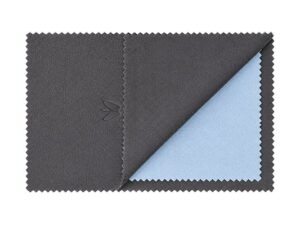
X-Raypad 4-layer suede cleaning cloth – included with every NOD glass mousepad
Can I fine-tune the speed or control of my glass pad after buying?
Yes — swap your skates. On NOD SP, switching from Jade Air to Titanium U9 Air raises stopping power from 5.5 to 7.2 while keeping speed at 6.8. On NOD CR, Jade Air gives the most speed (6.5), Titanium U9 Air the most stopping power (8.5). Same pad, different dial setting — see the test data tables above.
What is the difference between a control glass pad and a regular glass pad?
A regular glass pad is polished smooth for maximum glide. A control glass pad like NOD CR gets its texture from micro-etched glass itself — no coating — creating tactile feedback and a defined braking zone, so you get glass consistency without the “ice rink” stopping problem.
Are glass mouse pads good for beginners?
A control glass pad is a great first premium pad: consistent, easy to clean, and forgiving on stops. NOD CR was designed exactly for cloth users making this switch.
Can I use any mouse on a glass pad?
Yes. Any modern optical sensor tracks fine on quality glass pads. Just pair it with skates suited to glass for the best feel and durability.
The Bottom Line
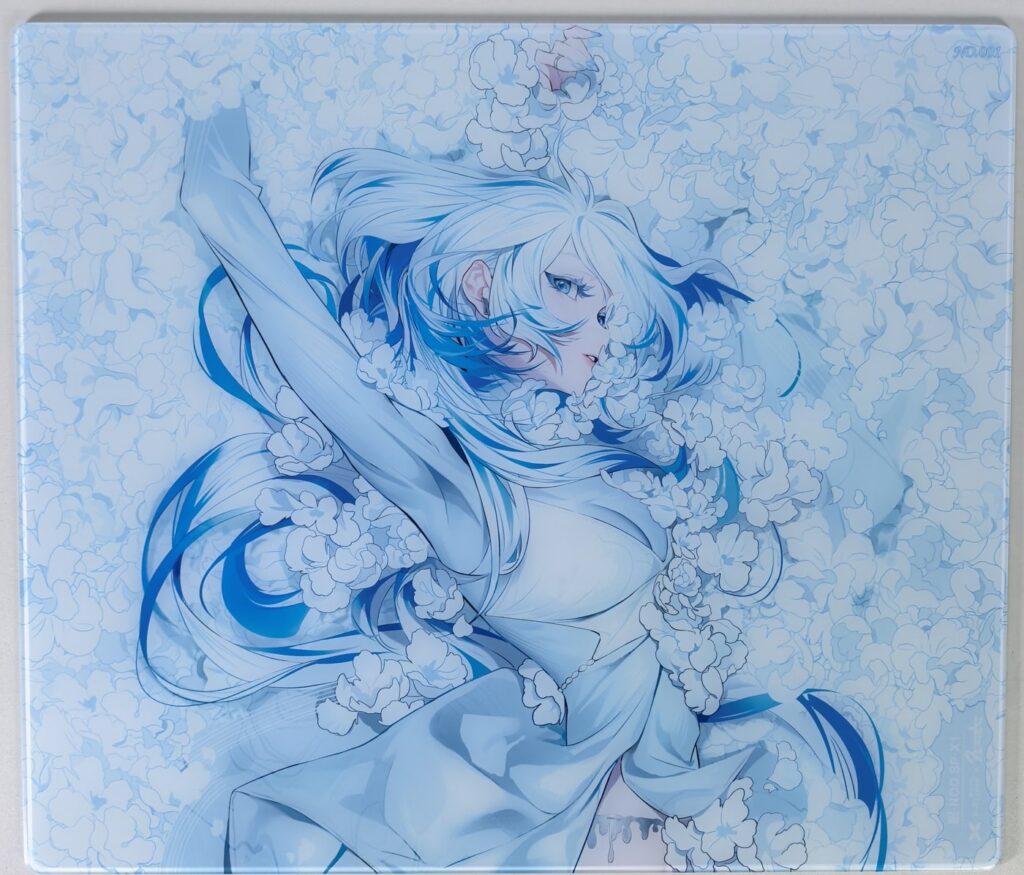
Glass pads are not all speed. Pick the surface that matches how you actually aim: CR for flicks and stops, SP for tracking and glide — same 2mm tempered glass platform, two personalities. Both editions of the NOD glass mousepad are available in our first collaboration design, with three solid colorways — Onyx Black, Frost White and Deep Navy — coming soon.

👉 Browse NOD glass mouse pads | NOD X1 Glass Mousepad (CR / SP)

